Concrete Cost Calculator: Truck vs Bags
Make the smartest financial and physical decision for your concrete pour. Compare ready-mix truck delivery fees, short-load surcharges, and store bag costs.
Ready-Mix Delivery vs Pre-mixed Bags Cost Comparison
Calculate the exact cost crossover point including delivery short-load surcharges and bag prices.
Recommended: Ready-Mix Truck Delivery
For 2.5 yd³, hand mixing 113 heavy 80 lb bags requires tremendous labor. Ready-mix saves substantial time and physical effort.
Job-Site Method Comparison: Ready-Mix Truck vs Pre-Mixed Bags
Examine the labor, equipment, and batch quality trade-offs between both delivery avenues.
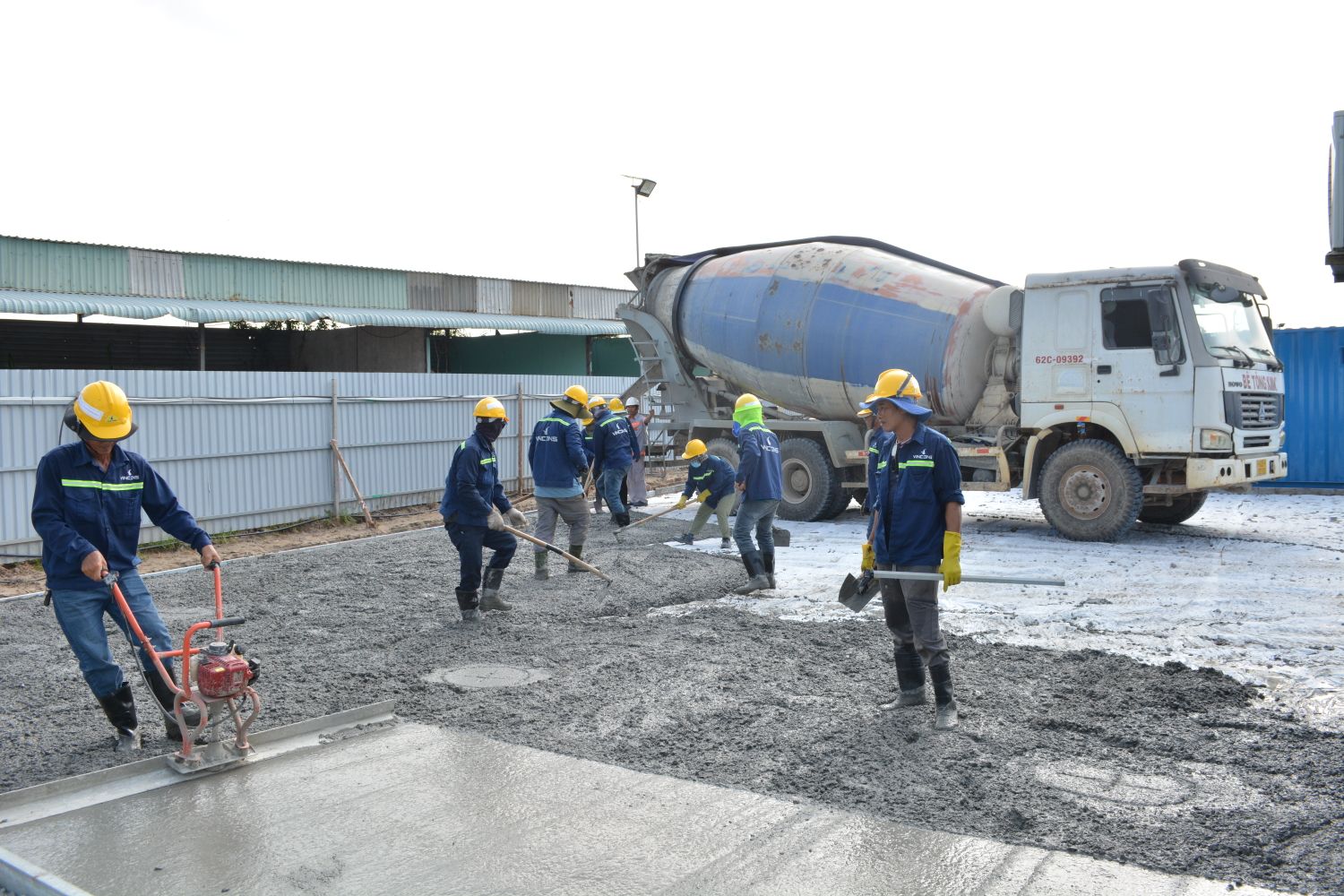 Best for > 2.0 Cubic Yards
Ready-Mix Truck Delivery
- • Discharge Speed: Pours an entire 5-yard slab in under 25 minutes.
- • Mix Homogeneity: Computer-metered batch plant ensures exact 4000 PSI strength and consistent slump.
- • Cost Dynamics: Economical at scale, but subject to $100–$200 short-load charges for partial loads under 5 yds.
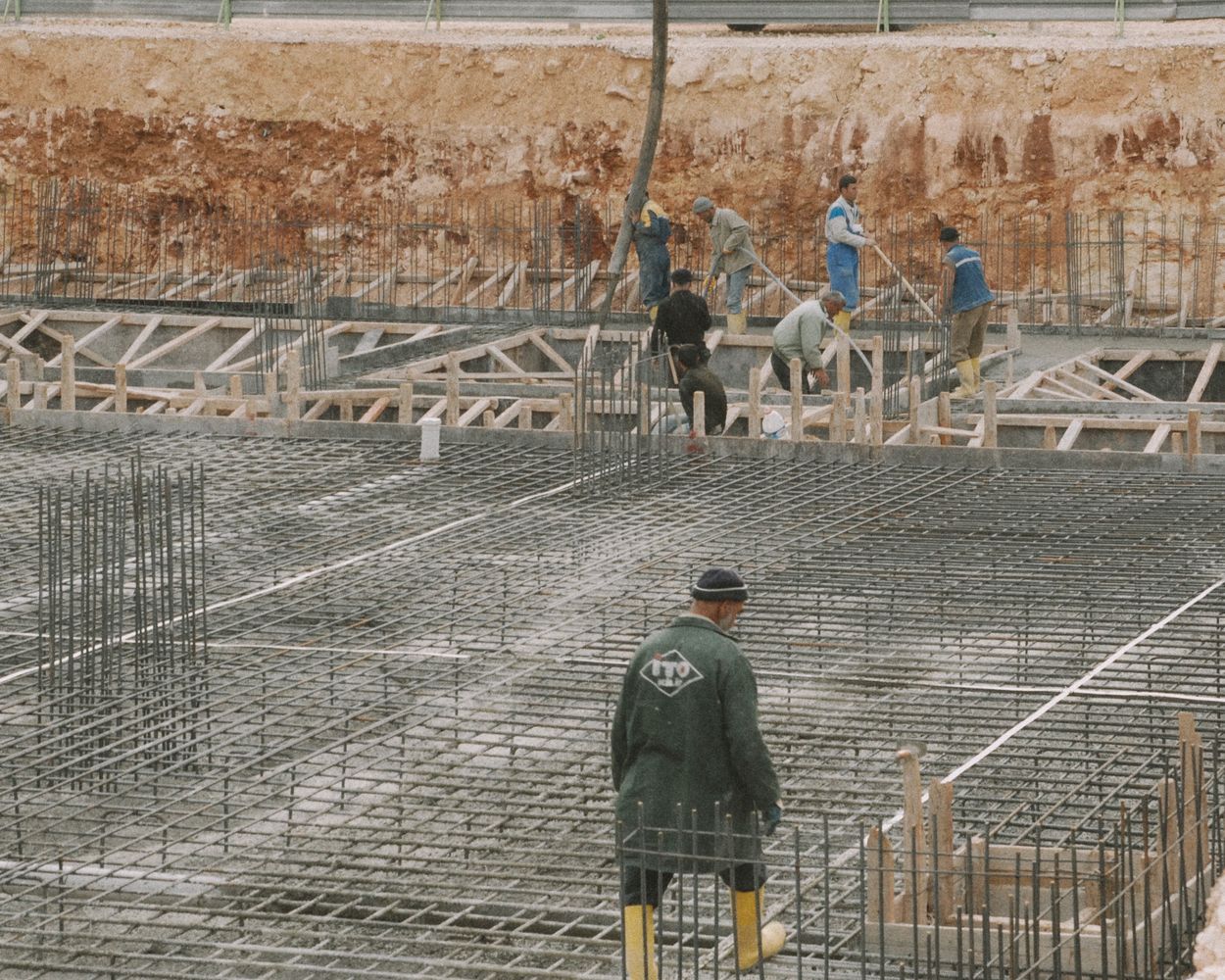 Best for < 1.0 Cubic Yard
Pre-Mixed Bags (Home Center)
- • Pacing Control: Mix small batches at your own pace without ticking delivery standby timers.
- • Zero Short-Load Penalties: Pay only for exact bags used ($6.50/bag), returning unopened bags to the store.
- • Labor Burden: 1 single cubic yard requires manually lifting, opening, and mixing 45 heavy 80 lb bags (3,600 lbs).
Concrete Delivery Decision Rule of Thumb
Choose Bags: Hand mixing up to 45 bags (or renting a towable mixer) is significantly cheaper than paying $150+ in ready-mix short-load fees.
Borderline Zone: Material costs are nearly identical. If you have 3+ helpers or easy wheelbarrow access, ready-mix saves hours of grueling mixing.
Order Ready-Mix: More than 90 bags (over 7,200 lbs) is rarely practical to hand mix. Ready-mix guarantees uniform strength and proper slump.
Calculation Methodology & Estimating Formulas
Standards-compliant math based on ASTM C94 and American Concrete Institute (ACI 318) guidelines.
1. The Core Volume Formula
Concrete volume is measured in three dimensions and converted to cubic yards (1 cubic yard = 27 cubic feet):
Volume (yd³) = [Length (ft) × Width (ft) × (Thickness (in) ÷ 12)] ÷ 27
Cylinder / Pier / Sonotube:
Volume (yd³) = [π × (Diameter (in) ÷ 24)² × Depth (ft)] ÷ 27
2. Why We Add a 10% Waste Margin
Ordering the exact geometric volume almost always results in a short pour. A minimum 10% waste buffer is critical for three physical reasons:
- Subgrade Unevenness: Just 1/4 inch of extra grade depth across a 400 sq ft slab requires an additional 0.31 cubic yards.
- Form Deflection: Wooden 2×4 or 2×6 forms bulge outward under 150 lb/cu ft liquid concrete pressure.
- Equipment Residuals: Concrete sticks to truck chutes, pump hoses, wheelbarrows, and screed boards.
3. Bagged Concrete Yield Constants
Pre-mixed bagged concrete (e.g., Quikrete, Sakrete) is pre-measured with Portland cement, sand, and gravel. Standard yields:
| Bag Size | Cubic Feet Yield | Bags Per 1 yd³ |
|---|---|---|
| 80 lb bag | 0.60 cu ft | 45 bags |
| 60 lb bag | 0.45 cu ft | 60 bags |
| 50 lb bag | 0.375 cu ft | 72 bags |
| 40 lb bag | 0.30 cu ft | 90 bags |
4. Structural Weight & Load Assumptions
Cured normal-weight structural concrete is modeled at 150 pounds per cubic foot (ASTM C94 benchmark). This means:
- 1 cubic yard weighs approximately 4,050 pounds (2.025 US tons).
- For sub-base preparation, always lay 4 inches of compacted crushed gravel (dense grade aggregate) under slabs to prevent frost heave and settlement cracking.

Written & Reviewed by Maddy
✓ ACI & ASTM VerifiedConstruction Estimating Specialist & Civil Calculation Modeler
Governing Industry Standards: This calculator executes mathematical models grounded strictly in ASTM C94 (Standard Specification for Ready-Mixed Concrete), ACI 318-19 (Building Code Requirements for Structural Concrete), and NRMCA volumetric batch tolerances.
Need to verify our references and derivation? Explore our dedicated Engineering Sources & Specifications directory or read our Calculation Formulas guide.
Concrete Cost & Pricing FAQs
Common contractor questions, bag ratios, thickness standards, and curing guidance.
How much does a cubic yard of ready-mix concrete cost delivered? ▼
In 2026, residential ready-mix concrete averages $135 to $175 per cubic yard in the United States. However, if ordering less than a full truckload (typically under 4 to 6 yards), dispatch plants add a short-load surcharge of $100 to $200.
At what yardage does ready-mix concrete become cheaper than bags? ▼
The financial crossover point is usually around 1.5 to 2.0 cubic yards. While 1 yard of 80 lb bags costs around $290 (45 bags × $6.50), ready-mix costs around $270–$300 once short-load fees are included. Beyond 2.0 yards (90 bags), ready-mix is substantially cheaper in direct material costs and avoids 7,200+ lbs of hand lifting.
What extra fees do ready-mix concrete suppliers charge? ▼
Common fees include: Short-load fees ($100–$200 for orders under 5 yds), environmental/fuel fees ($30–$60 per ticket), weekend/Saturday delivery surcharges ($15–$25/yd³), and standby/unloading fees if the truck takes longer than 5 to 7 minutes per yard to discharge.
Related Concrete Calculators & Estimating Tools
Explore specialized estimating calculators tailored to specific project shapes and materials.
Concrete Slab Calculator
PopularCalculate ready-mix cubic yards and bag counts for rectangular patios, driveways, sidewalks, and garage slabs.
Trench & Footing Calculator
Estimate concrete volume for continuous foundation strip footings and grade beams.
Sonotube & Pier Calculator
Cylindrical volume calculations for deck posts, round structural columns, and sonotubes.
Fence Post Hole Calculator
Calculates net concrete by subtracting post displacement for 4x4 and 6x6 posts.
Circular Slab Calculator
Exact cubic yards for round concrete pads, fire pit bases, and curved outdoor patios.
Concrete Bag Calculator
DIY EssentialDetermine exact bag counts for 80 lb, 60 lb, 50 lb, and 40 lb bags with spillage margins.