Concrete Calculator
Calculate the exact volume of concrete needed for slabs, footings, patios, driveways, and post holes. Instantly determine ready-mix cubic yards to order and pre-mixed bag counts (80 lb, 60 lb, 40 lb) with standard 10% waste buffers.
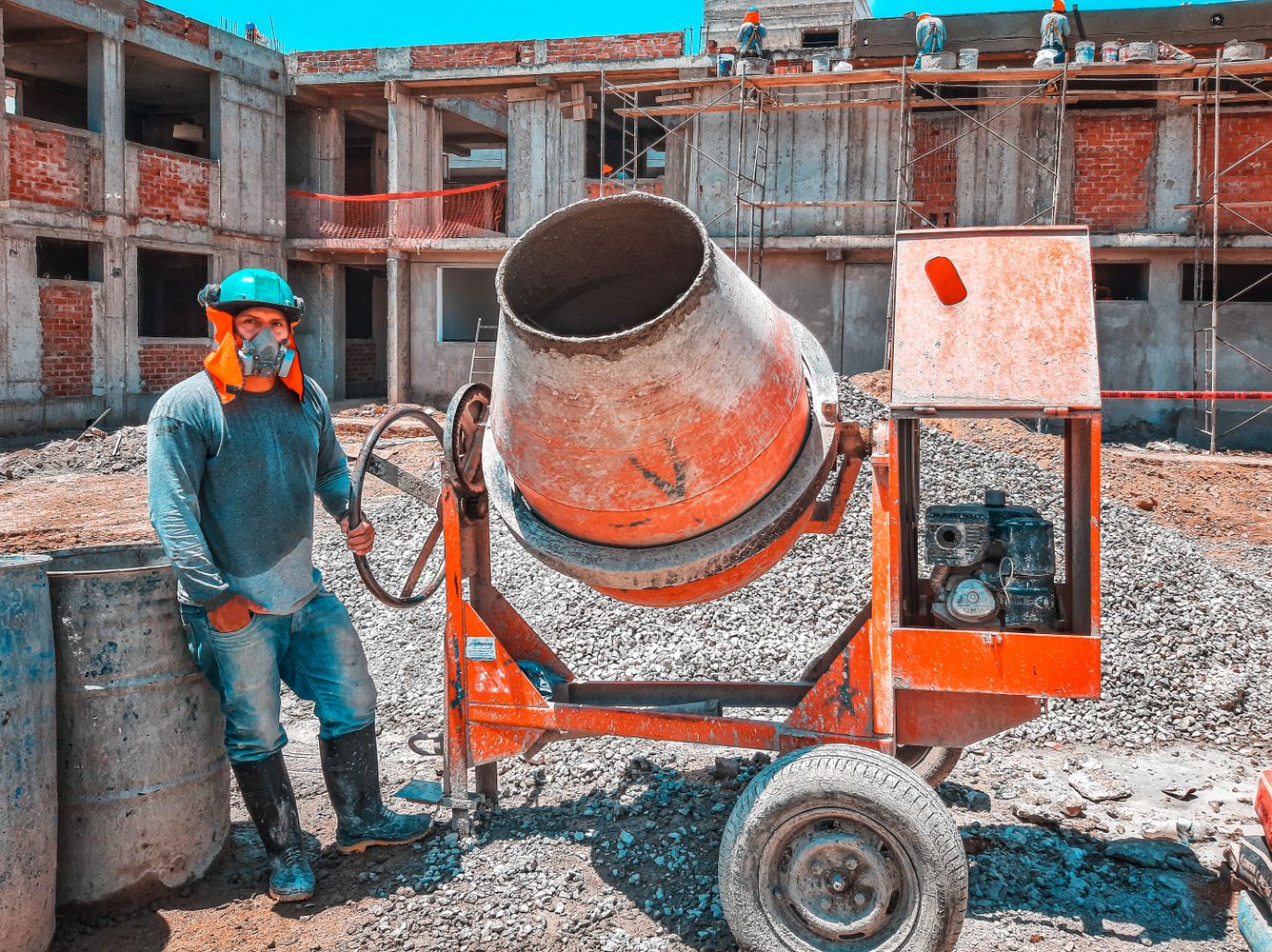
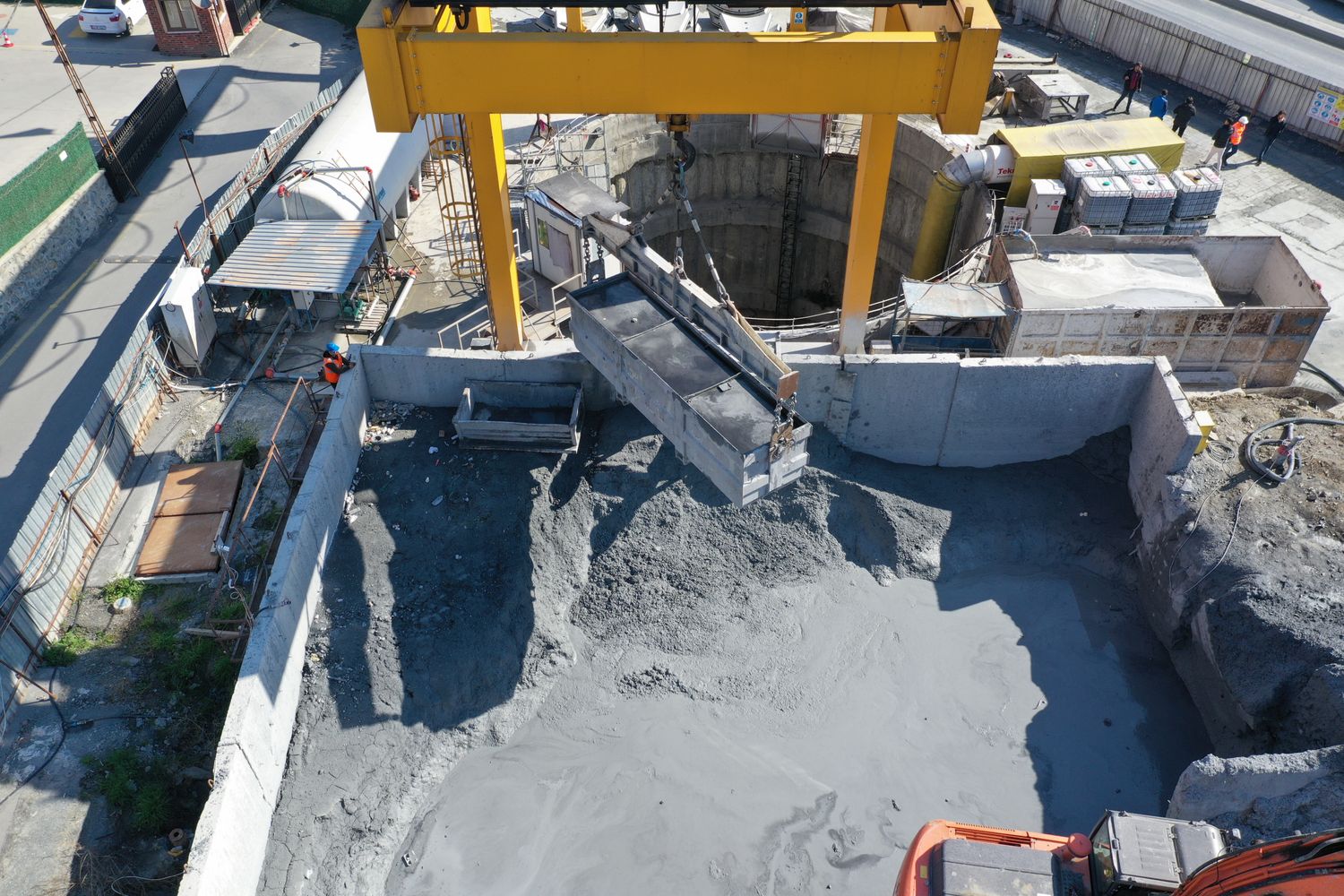 Real Job-Site Pour
Universal Concrete Slab & Pad Calculator
Adjust dimensions below to see real-time yardage, bags, weight, and ready-mix orders.
Pre-mixed Concrete Bags Includes 10% waste
Projects over 2 cu yds are almost always cheaper with ready-mix.
THE CONCRETE CALCULATOR – DISPATCH ORDER TICKET
Standards-Grounded ASTM C94 & ACI 318 Job-Site Summary
Project Dimensions
Length: 10 ft
Width: 10 ft
Depth: 4 inches
Surface Area: 100 sq ft
Ready-Mix Order Quantities
To Order: 1.50 yd³ (1.15 m³)
Net Volume: 1.36 yd³
Waste Factor: 10% (ASTM C94 ground allowance)
If Buying Bags Instead
80 lb Bags: 62 bags
60 lb Bags: 82 bags
Total Cured Weight: 5,500 lbs
Job-Site Placement Notes
• Recommended Slump: 3 to 5 inches (ASTM C143)
• Reinforcement: #4 Rebar @ 18" OC on 2" chairs
• Sub-Base: 4" compacted crushed gravel
• Discharge Limit: 90 mins / 300 drum revs (ASTM C94)
Structural Slab Cross-Section & Dimensions
Quick Reference Table: Concrete Slabs by Dimensions (4" & 6" Thick)
Pre-calculated cubic yards and bag requirements including standard 10% waste allowance.
| Slab Size (Ft) | Depth | Surface Area | Ready-Mix Order (Yds) | 80 lb Bags | 60 lb Bags |
|---|---|---|---|---|---|
| 4' × 4' | 4" | 16 sq ft | 0.25 yd³ | 10 bags | 14 bags |
| 4' × 4' | 6" | 16 sq ft | 0.50 yd³ | 15 bags | 20 bags |
| 6' × 6' | 4" | 36 sq ft | 0.50 yd³ | 23 bags | 30 bags |
| 6' × 6' | 6" | 36 sq ft | 0.75 yd³ | 33 bags | 44 bags |
| 8' × 8' | 4" | 64 sq ft | 1.00 yd³ | 40 bags | 53 bags |
| 8' × 8' | 6" | 64 sq ft | 1.50 yd³ | 59 bags | 79 bags |
| 10' × 10' | 4" | 100 sq ft | 1.50 yd³ | 62 bags | 82 bags |
| 10' × 10' | 6" | 100 sq ft | 2.25 yd³ | 92 bags | 123 bags |
| 10' × 12' | 4" | 120 sq ft | 1.75 yd³ | 74 bags | 98 bags |
| 10' × 12' | 6" | 120 sq ft | 2.50 yd³ | 110 bags | 147 bags |
| 12' × 12' | 4" | 144 sq ft | 2.00 yd³ | 89 bags | 118 bags |
| 12' × 12' | 6" | 144 sq ft | 3.00 yd³ | 132 bags | 176 bags |
| 12' × 16' | 4" | 192 sq ft | 2.75 yd³ | 118 bags | 157 bags |
| 12' × 16' | 6" | 192 sq ft | 4.00 yd³ | 177 bags | 235 bags |
| 12' × 20' | 4" | 240 sq ft | 3.50 yd³ | 147 bags | 196 bags |
| 12' × 20' | 6" | 240 sq ft | 5.00 yd³ | 220 bags | 294 bags |
| 14' × 14' | 4" | 196 sq ft | 2.75 yd³ | 120 bags | 160 bags |
| 14' × 14' | 6" | 196 sq ft | 4.00 yd³ | 180 bags | 240 bags |
| 16' × 16' | 4" | 256 sq ft | 3.50 yd³ | 157 bags | 209 bags |
| 16' × 16' | 6" | 256 sq ft | 5.25 yd³ | 235 bags | 313 bags |
| 20' × 20' | 4" | 400 sq ft | 5.50 yd³ | 245 bags | 326 bags |
| 20' × 20' | 6" | 400 sq ft | 8.25 yd³ | 367 bags | 489 bags |
| 24' × 24' | 4" | 576 sq ft | 8.00 yd³ | 353 bags | 470 bags |
| 24' × 24' | 6" | 576 sq ft | 11.75 yd³ | 528 bags | 704 bags |
Worked Example: 10' × 10' Concrete Slab (4 Inches Thick)
Suppose you are planning to pour a backyard slab measuring 10 feet long by 10 feet wide with a standard residential depth of 4 inches. Here is the verified 5-step arithmetic:
4" ÷ 12 = 0.333 feet
10' × 10' × 0.333' = 33.33 cubic feet
33.33 cu ft ÷ 27 = 1.235 cubic yards (exact net)
1.235 yd³ × 1.10 = 1.36 cubic yards with waste
- Ready-Mix Delivery: Order 1.50 yd³ (rounded up to nearest 0.25 yd³ increment).
- Pre-mixed 80 lb Bags: Purchase 62 bags (0.60 cu ft yield per bag).
- Pre-mixed 60 lb Bags: Purchase 82 bags (0.45 cu ft yield per bag).
How a Professional Concrete Pour Works: 4-Step Field Checklist
Proper estimating is only half the battle. Here is what happens from site excavation to final broom finish on a real job site.
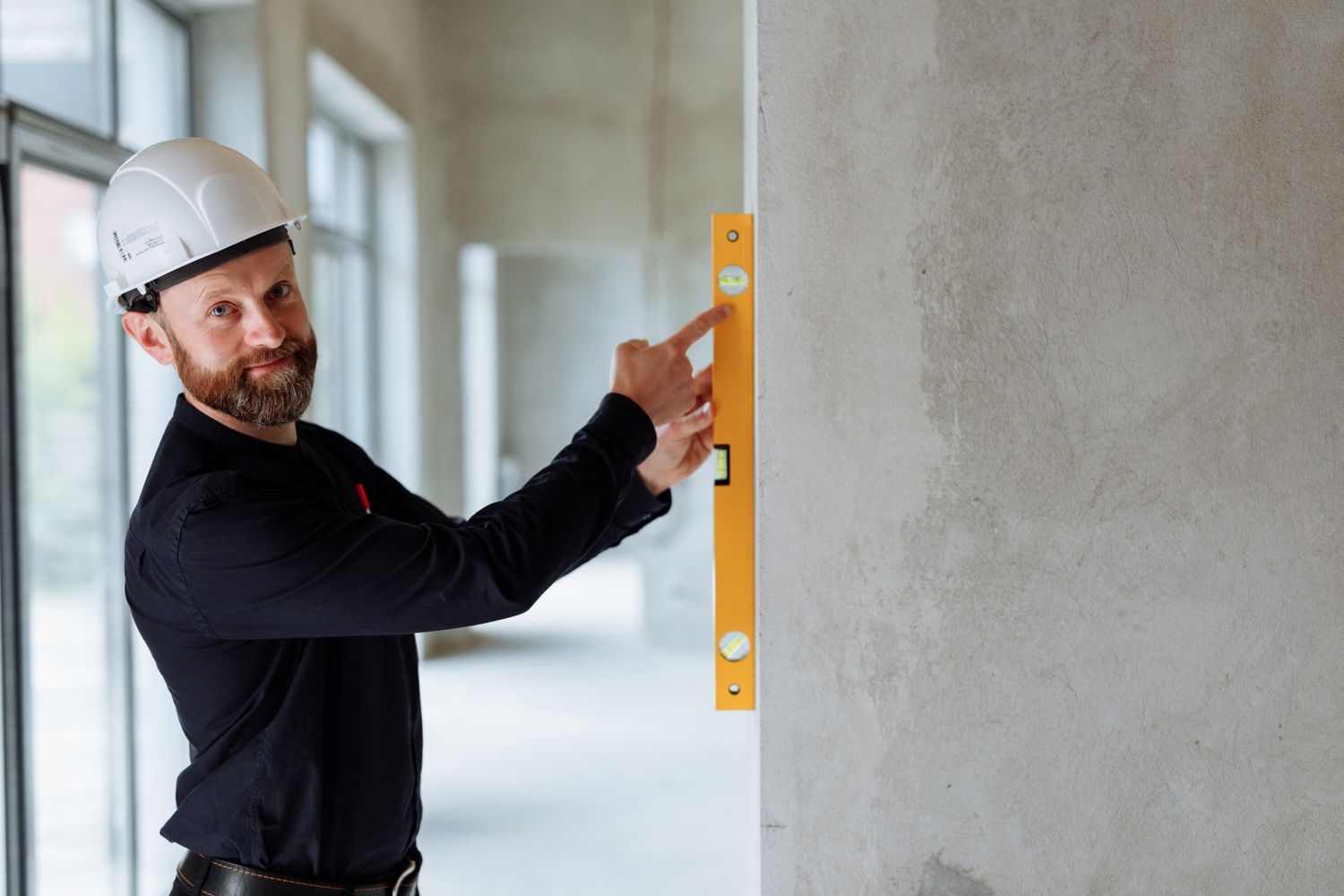
Excavation & Base
Excavate 8 inches total depth: 4 inches for a compacted gravel base (crushed limestone) and 4 inches for concrete. Tamping the base prevents settling cracks.
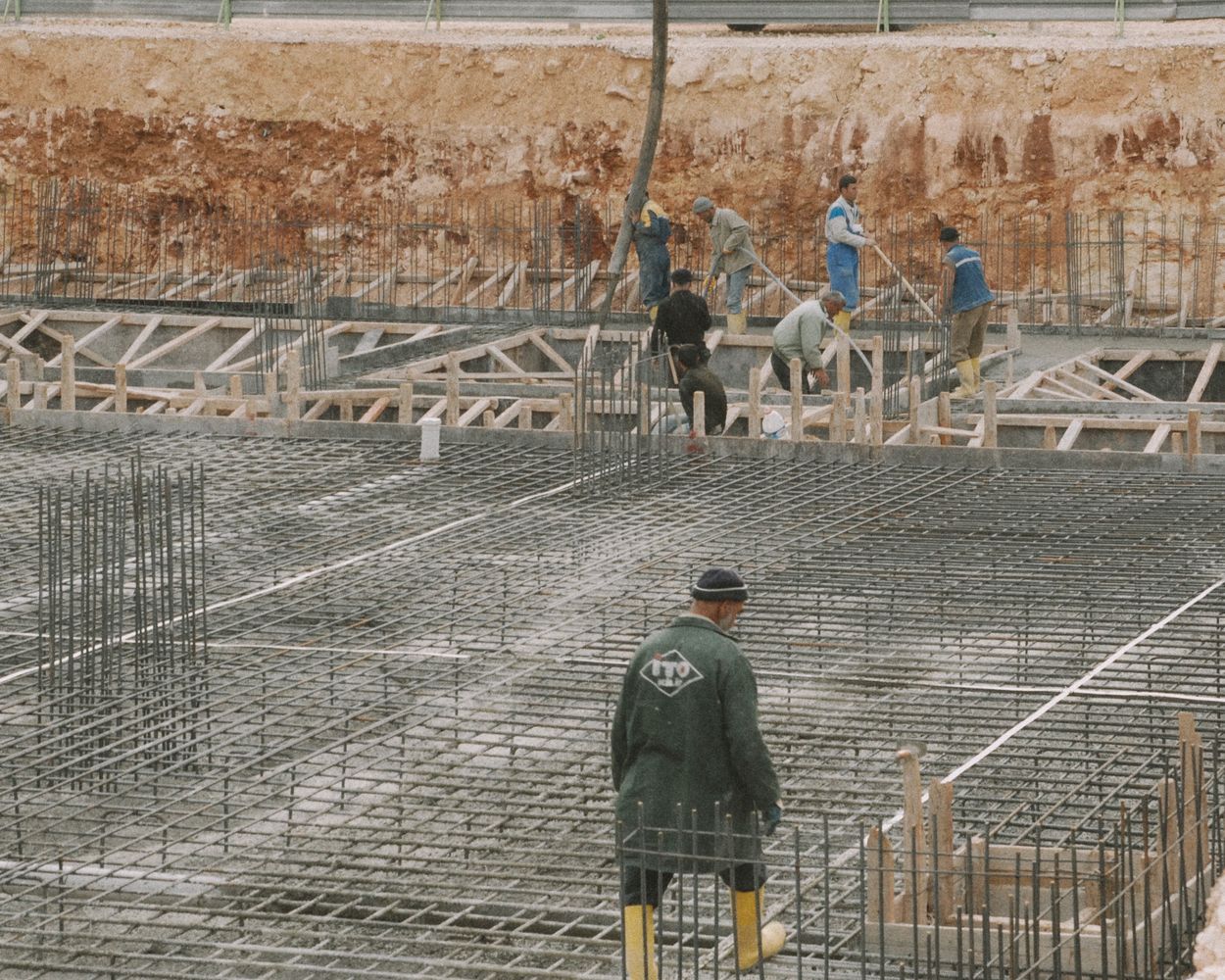
Formwork & Rebar
Construct 2x4 forms with stakes every 3 feet. Elevate #4 rebar on plastic "chairs" so the steel sits in the center of the slab rather than on the dirt.
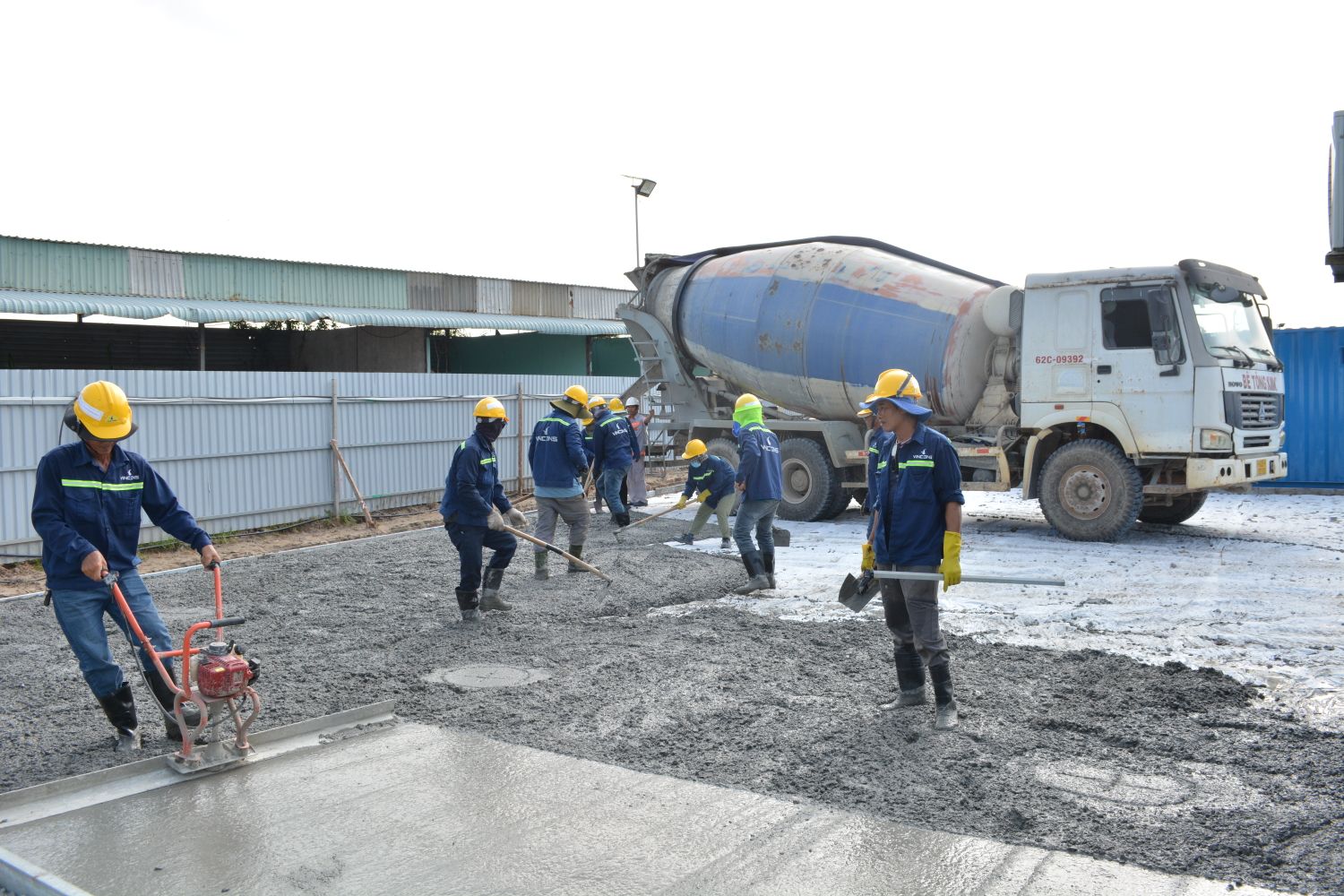
Pour & Consolidate
Deposit concrete starting at the farthest corner. Tap form sides with a hammer to eliminate air pockets and consolidate the mix around edge forms.
Screed, Float & Cure
Screed flat with a straight 2x4, run a bull float to bring paste to the surface, apply a slip-resistant broom finish, and keep moist for 7 days to reach full PSI strength.
Calculation Methodology & Estimating Formulas
Standards-compliant math based on ASTM C94 and American Concrete Institute (ACI 318) guidelines.
1. The Core Volume Formula
Concrete volume is measured in three dimensions and converted to cubic yards (1 cubic yard = 27 cubic feet):
Volume (yd³) = [Length (ft) × Width (ft) × (Thickness (in) ÷ 12)] ÷ 27
Cylinder / Pier / Sonotube:
Volume (yd³) = [π × (Diameter (in) ÷ 24)² × Depth (ft)] ÷ 27
2. Why We Add a 10% Waste Margin
Ordering the exact geometric volume almost always results in a short pour. A minimum 10% waste buffer is critical for three physical reasons:
- Subgrade Unevenness: Just 1/4 inch of extra grade depth across a 400 sq ft slab requires an additional 0.31 cubic yards.
- Form Deflection: Wooden 2×4 or 2×6 forms bulge outward under 150 lb/cu ft liquid concrete pressure.
- Equipment Residuals: Concrete sticks to truck chutes, pump hoses, wheelbarrows, and screed boards.
3. Bagged Concrete Yield Constants
Pre-mixed bagged concrete (e.g., Quikrete, Sakrete) is pre-measured with Portland cement, sand, and gravel. Standard yields:
| Bag Size | Cubic Feet Yield | Bags Per 1 yd³ |
|---|---|---|
| 80 lb bag | 0.60 cu ft | 45 bags |
| 60 lb bag | 0.45 cu ft | 60 bags |
| 50 lb bag | 0.375 cu ft | 72 bags |
| 40 lb bag | 0.30 cu ft | 90 bags |
4. Structural Weight & Load Assumptions
Cured normal-weight structural concrete is modeled at 150 pounds per cubic foot (ASTM C94 benchmark). This means:
- 1 cubic yard weighs approximately 4,050 pounds (2.025 US tons).
- For sub-base preparation, always lay 4 inches of compacted crushed gravel (dense grade aggregate) under slabs to prevent frost heave and settlement cracking.
Written & Reviewed by Maddy
✓ ACI & ASTM VerifiedConstruction Estimating Specialist & Civil Calculation Modeler
Governing Industry Standards: This calculator executes mathematical models grounded strictly in ASTM C94 (Standard Specification for Ready-Mixed Concrete), ACI 318-19 (Building Code Requirements for Structural Concrete), and NRMCA volumetric batch tolerances.
Need to verify our references and derivation? Explore our dedicated Engineering Sources & Specifications directory or read our Calculation Formulas guide.
Frequently Asked Questions (FAQ)
Common contractor questions, bag ratios, thickness standards, and curing guidance.
How many cubic yards of concrete do I need for a 10x10 slab? ▼
A standard 10x10 foot concrete slab poured at 4 inches thick requires 1.23 cubic yards of net concrete. With the industry-standard 10% waste factor for uneven subgrade and form bulging, you should order 1.50 cubic yards of ready-mix concrete, or purchase 62 bags of 80 lb pre-mixed concrete (or 82 bags of 60 lb concrete).
How many 80 lb bags of concrete are in a cubic yard? ▼
There are exactly 45 bags of 80 lb concrete in one cubic yard. An 80 lb bag yields 0.60 cubic feet of mixed concrete, and one cubic yard contains 27 cubic feet (27 ÷ 0.60 = 45 bags).
What is the standard formula to calculate concrete? ▼
The formula is: Length (feet) × Width (feet) × [Thickness (inches) ÷ 12] ÷ 27. Multiply the result by 1.10 to add a 10% safety margin for excavation unevenness and spillage.
Is it cheaper to buy bags of concrete or order a ready-mix truck? ▼
For pours under 1.5 cubic yards (approx. 65 bags of 80 lb mix), buying bags from a home improvement store is usually cheaper because ready-mix suppliers charge short-load delivery fees ($100–$200 for orders under 5 yds). For pours over 2.0 cubic yards (90+ bags), ordering a ready-mix truck is much more cost-effective and saves hours of backbreaking labor.
How thick should a concrete patio or sidewalk be? ▼
Residential walkways, patios, and sheds should be poured at a minimum of 4 inches thick over 4 inches of compacted gravel. Driveways for regular passenger vehicles should be 5 inches thick, while driveways accommodating heavy trucks or RVs should be 6 inches thick with #4 rebar reinforcement.
Related Concrete Calculators & Estimating Tools
Explore specialized estimating calculators tailored to specific project shapes and materials.
Concrete Slab Calculator
PopularCalculate ready-mix cubic yards and bag counts for rectangular patios, driveways, sidewalks, and garage slabs.
Trench & Footing Calculator
Estimate concrete volume for continuous foundation strip footings and grade beams.
Sonotube & Pier Calculator
Cylindrical volume calculations for deck posts, round structural columns, and sonotubes.
Fence Post Hole Calculator
Calculates net concrete by subtracting post displacement for 4x4 and 6x6 posts.
Circular Slab Calculator
Exact cubic yards for round concrete pads, fire pit bases, and curved outdoor patios.
Concrete Bag Calculator
DIY EssentialDetermine exact bag counts for 80 lb, 60 lb, 50 lb, and 40 lb bags with spillage margins.